
Water Leak and Slab Leak Detection in Tampa, FL
The most expensive leaks are the ones you never see. A pinhole behind drywall, a supply line weeping under the slab, an irrigation line cracked underground, these run for weeks before the bill spikes or the ceiling stains, and by then the damage is already done. Titan Plumbing and Electric finds hidden leaks across Tampa Bay before they turn into a demolition project, using acoustic, thermal, and pressure equipment to pinpoint the exact source without tearing the house apart.
We have located leaks in Tampa homes and businesses since 1994, and our process is the opposite of guesswork. We confirm there is a leak, find precisely where it is, document it, and hand you a clear repair plan and a price before we open a single wall or cut a slab.
Left alone, even a small leak compounds. It feeds mold, rots framing and subfloor, undermines a concrete slab, and quietly wastes thousands of gallons a year that you pay for twice, once on the water bill and again on the repair. The earlier we catch it, the smaller and cheaper the fix, which is why a sudden unexplained jump in your bill is worth a same-week call rather than a wait-and-see.
Signs You Have a Hidden Leak
Most hidden leaks announce themselves quietly long before they become visible. The clearest warning is a water bill that climbs with no change in how you use water, and you can confirm it yourself: shut off every fixture, read the meter, wait an hour without using any water, and read it again. If the numbers moved, water is escaping somewhere in the system.
Watch for these everyday red flags. Any one of them is worth a call:
- A water bill that jumps with no change in your habits
- The faint sound of running water when the house is silent
- A warm spot on the floor, often the first sign of a slab leak
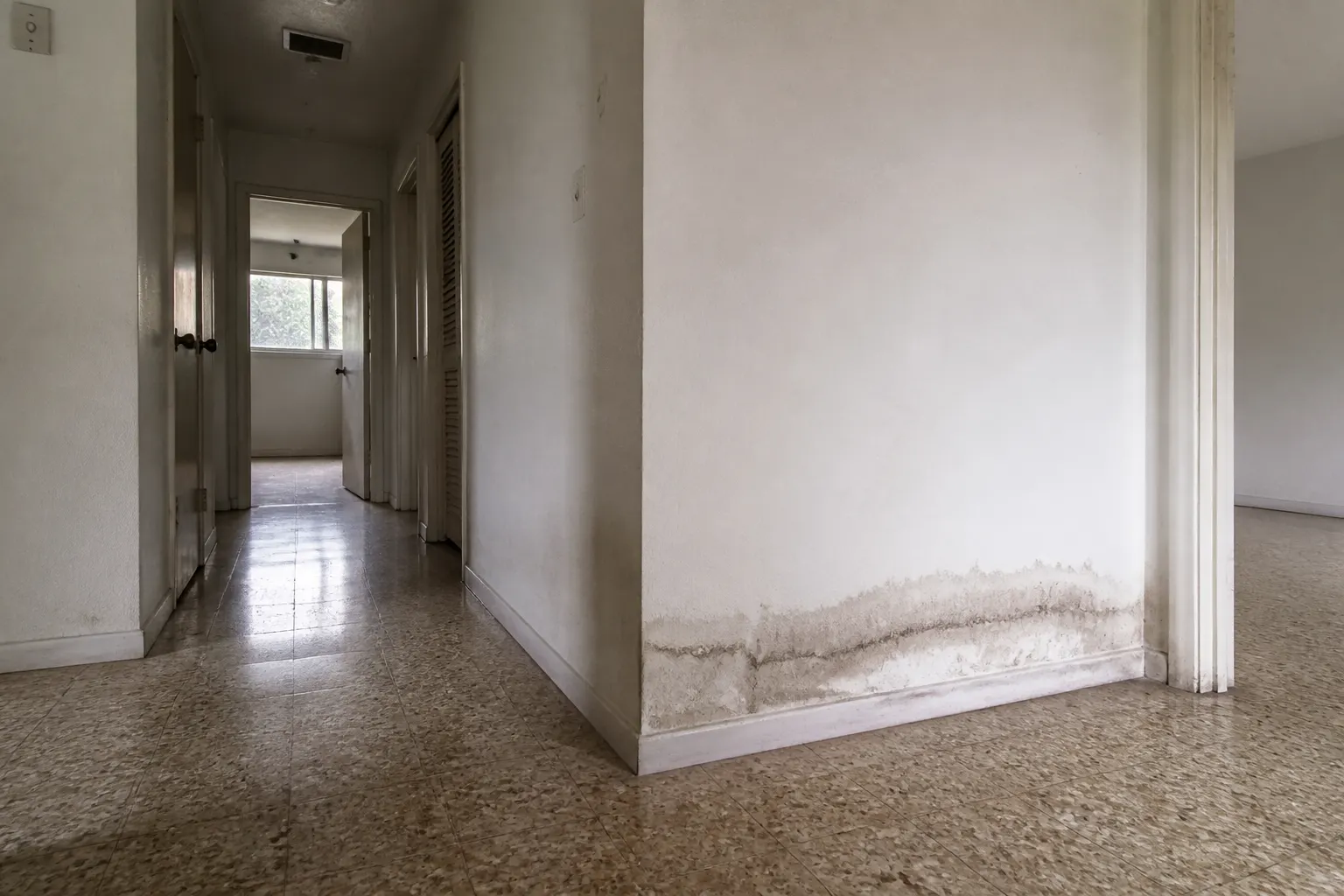
- Musty or mildew smells, bubbling paint, or stained drywall
- A patch of lawn that stays green and soggy in the dry season
- A water heater that seems to refill or run on its own
- A toilet that keeps running, an easy toilet repair but a real water-waster
How We Pinpoint a Leak Without Wrecking the House
Finding a leak is a craft, not a demolition. We start with the whole-system picture and narrow in until we know the spot to within inches, so the only thing that gets opened is the small area right over the leak. By the time anything is cut, we already know what is behind it. Our toolkit includes:
- Pressure testing to prove which zone or line is losing water
- Acoustic listening equipment that hears water escaping a pressurized pipe
- Thermal imaging that sees moisture behind walls and under tile
- Tracer gas and line locating for buried supply and irrigation pipe
- Camera inspection when the trail points toward a drain or the sewer line
Where Leaks Hide in Tampa Homes
Tampa building styles and aggressive water create predictable hiding spots, and the same symptom can come from several of them. That is exactly why detection, not demolition, is the step that saves money. The usual suspects:
- Under the concrete in slab-on-grade homes, where it becomes a slab leak
- In the buried supply line between the meter and the house, a water line repair waiting to happen
- Behind walls and under-sink, including the connections around a garbage disposal
- In irrigation lines, pool fill lines, and at the backflow assembly
- Around a water softener or filtration loop where fittings work loose over time
Signs of a Slab Leak in a Tampa Slab-on-Grade Home
Most Tampa houses sit directly on a concrete slab, and the water lines that feed the kitchen and bathrooms often run through or under that concrete. When one of those pipes starts leaking, the water goes into the soil under the house, so you rarely see it. You notice it in other ways:
None of these proves a slab leak by itself. A running toilet or a leaking irrigation valve can move the meter too, which is why slab leak detection starts by ruling those out.
- A warm or hot spot on tile or wood floor, usually a hot-water line leaking under it
- The water meter keeps moving with every faucet, toilet, and appliance off
- A hiss or trickle under the floor when the house is quiet
- New cracks in tile or along the baseboard, or carpet that feels damp
- A water bill that jumped without any change in how you use water
- A musty or mildew smell near the floor in one room
- A water heater that runs more than it should
Why Tampa Slabs Leak
A lot of Tampa homes built from the 1960s through the 1980s have soft copper supply pipe laid in the ground before the slab was poured. That pipe has been under there for 40 to 60 years, and a few things wear it down.
Hot lines expand and contract every time hot water runs through them. Where the copper touches rebar, wire mesh, gravel, or the edge of the concrete, that small movement rubs the pipe wall thinner year after year until it opens up. This is why slab leaks show up on the hot side so often, and why a warm floor is such a common first clue.
Water chemistry works from the inside. Tampa water is hard, roughly 7 to 10 grains per gallon, and scale plus corrosion thin the copper at elbows and joints until a pinhole forms. High street pressure and water hammer add stress to every weak spot. The sandy soil under the slab also shifts with heavy rain and dry spells, which can bend or crack an old line.
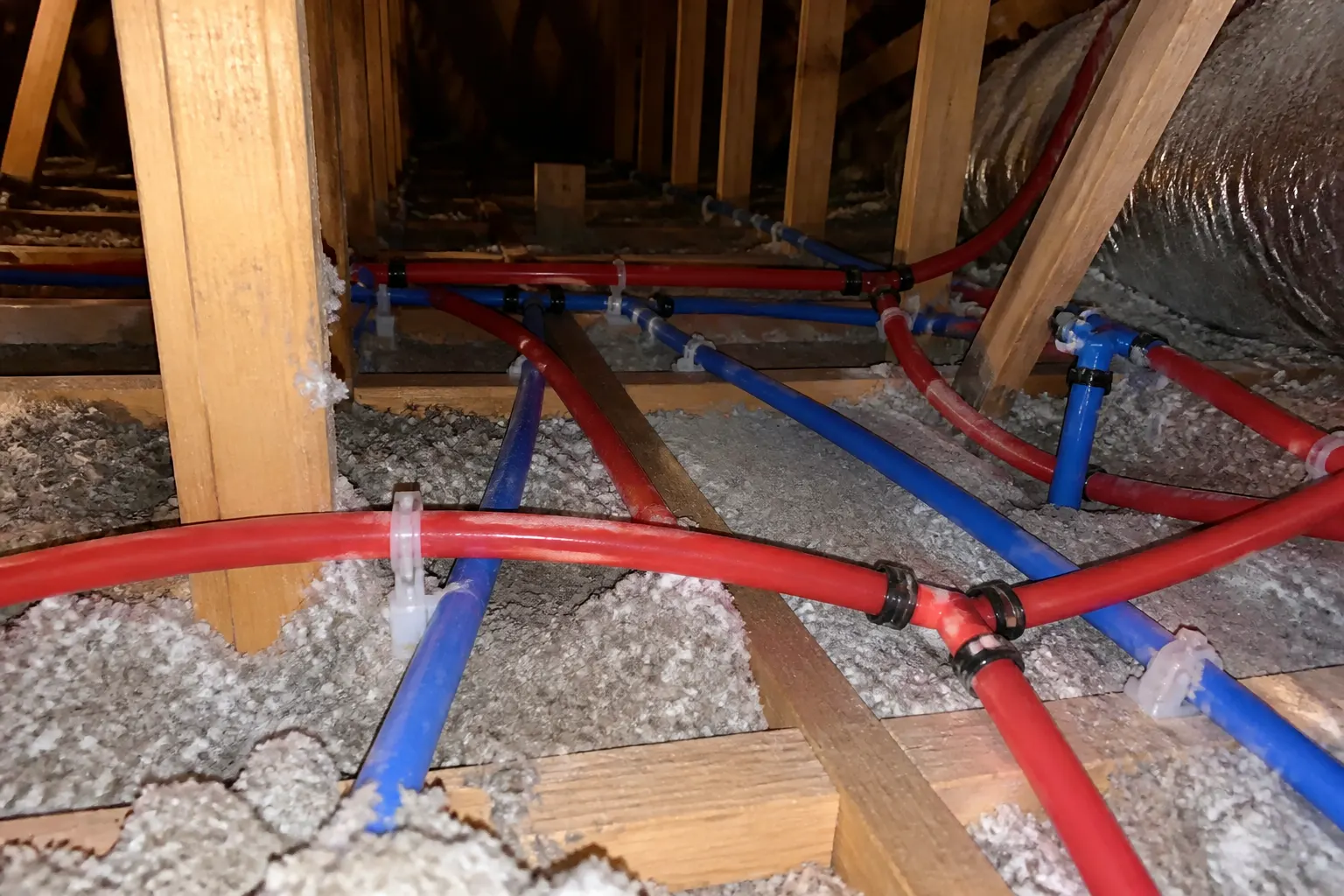
Some Tampa houses built between about 1978 and 1995 have gray polybutylene supply pipe. In most slab homes here it runs through the attic, so a polybutylene failure tends to come through the ceiling, and it can look like a slab leak on the meter. Leak detection tells you which one you have before anyone picks a repair.

How Slab Leak Detection Works, Step by Step
We find the leak before we touch the concrete. A slab leak detection visit follows the same order every time, narrowing from the whole house down to one spot on the floor:
- Rule out the easy causes. We check toilets, irrigation, the water softener, the ice maker line, and the water heater relief valve, because any of them can spin the meter.
- Confirm the leak at the meter and split hot from cold. Closing the cold supply into the water heater shows whether the loss stops, which tells us if the leak is on the hot side.
- Pressure test each line. We isolate the hot and cold lines, put a gauge on them, and watch for a pressure drop to prove which line is losing water.
- Trace the pipe under the slab. A line locator maps where the leaking pipe actually runs under the floor, so we are listening in the right place.
- Listen along the route. Acoustic ground microphones pick up the sound of water escaping a pressurized pipe, and the sound is loudest right over the leak.
- Check heat with thermal imaging. On a hot-water leak, the camera shows the warm area spreading across the floor and confirms what the microphones heard.
- Mark and document the spot. We mark the floor, photograph it, and write down the location and the line involved, then go over repair options with you.
Check Your Water Meter Before You Call
You can find out in about 30 minutes whether water is leaving the house when nobody is using it. This test won't find the leak, but it tells you whether you need leak detection and roughly where to look:
If the meter moved in step 4 but stopped in step 5, the leak is inside the house, and the slab is one of the likely places. Call (813) 933-8010 and tell us what the meter did. That saves time on the visit.
- Turn off every faucet, shower, toilet fill, washer, dishwasher, ice maker, and the irrigation timer.
- Find your water meter, usually in a ground box near the street, and lift the lid.
- Look at the small low-flow indicator (often a triangle or star-shaped dial). If it is turning, water is moving right now.
- Write down the full reading, wait 30 minutes without using any water, and read it again. Any change means a leak.
- Close the main shutoff valve at the house and watch the meter. If it keeps moving, the leak is in the buried line between the meter and the house, which is a water line repair. If it stops, the leak is inside the house.
- To check the hot side, reopen the main and close the cold valve on top of the water heater. If the meter stops, the leak is most likely on a hot-water line.
What You Get After Slab Leak Detection
When we finish, you know where the leak is, which line it is on, and what your options are. You get a marked spot on the floor, photos, and a written note of the location. Titan quotes a flat rate for the repair before any work starts.
Which repair makes sense depends on where the leak is, how old the rest of the pipe is, and what is sitting on top of it. These are the usual options:
- Spot repair through the slab. We open a small section of floor over the marked spot, fix the pipe, and patch the concrete. This works well for one leak on pipe that is otherwise sound.
- Reroute the line overhead. We abandon the bad run under the slab and run new pipe through the attic and walls, so the concrete stays closed.
- Repipe the house. When the copper under the slab has already leaked more than once, a whole-home repipe moves the water supply out of the slab for good.
Does Insurance Cover Slab Leak Detection and Repair?
It depends on your policy. Many homeowner policies pay to get to the leak and put the house back together, which means breaking the slab, removing flooring, and restoring it afterward, plus water damage. Many of those same policies do not pay to replace the pipe itself. Some cover the cost of leak detection and some do not.
Read your policy or call your agent before you file, and ask specifically about access and tear-out, water damage, and leak detection. Our photos and location write-up give your adjuster something concrete to work from.
From Detection to the Right Repair
Finding the leak is half the job; fixing the right thing is the other half. Once we have the exact location, we aim the repair at the real problem instead of chasing it through the house:
And if water is actively pouring in, this is not a schedule-it-for-Tuesday problem. Our emergency plumbing crew responds the same day to stop it. From South Tampa to Carrollwood, our licensed plumber teams find the source first and repair only what is actually broken.
- A leak under the foundation moves into slab leak repair
- A buried supply failure becomes a water line repair
- A home springing pinhole after pinhole is ready for whole-home repiping
- A slow drip hiding behind a recurring drain cleaning call gets cleared for good

Why Hard Water Makes Tampa Leaks Worse
Tampa Bay water runs 7 to 10 grains-per-gallon hard, and that mineral load is a quiet driver of the leaks we find. Scale builds up inside the pipes, corrosion eats copper from the inside out, and the result is the pinhole that floods a wall years before the pipe should ever have failed. It is also why some homes call us back for leak after leak until the underlying water is finally addressed.
Treating the water slows the whole cycle down. A water softener pulls out the calcium and magnesium that scale and corrode the system, and a whole-home water filtration setup catches the sediment that grinds away at fittings and valves. When a leak surfaces during a remodel, folding the repair into a bathroom renovation keeps everything under one permit and one crew.
If your home has already had more than one leak, that pattern is the signal, not a coincidence. The pipe has reached the stage where it fails in one spot, gets patched, and then fails in the next weak spot a few months later. Pairing the repairs with water treatment, and in the worst cases a full repipe, is how we break that cycle so you are not paying us to chase the next pinhole through the house.
Commercial Leak Detection in Tampa
For a business, a hidden leak is not just a high bill, it is ruined inventory, a slick floor, and a closed-for-repairs sign. We provide commercial leak detection for restaurants, retail, offices, and multi-tenant buildings through our commercial plumbing team, locating the problem with minimal disruption to your operation and scheduling the repair around your hours.
We schedule the work around your business hours, Monday through Saturday, and document the find with photos and a location report for your property manager, insurer, or landlord. Catching a slow leak early in a commercial building is the difference between a quick planned repair and a multi-tenant water-damage claim that drags on for weeks.