
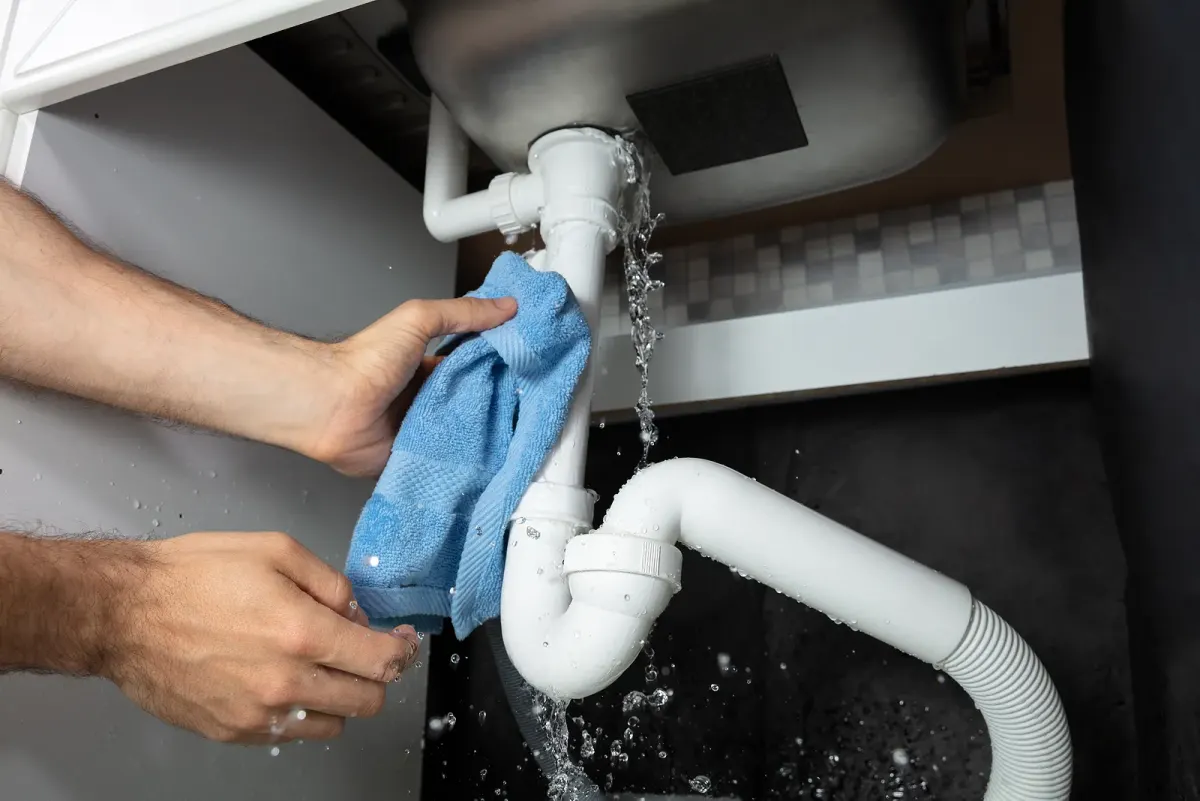
A drain backup in a condo or HOA community can snowball fast. Water rises, neighbors call, and management needs updates. The job touches more than one doorway, so a quick fix needs a clear plan. This guide lays out the rules and steps that shape emergency drain work in Tampa, FL and nearby communities. You’ll see who to call first, what access your plumber needs, and how most buildings handle responsibility and repairs. Clear expectations help everyone move faster and protect homes above and below yours.
Who to Call First and Why It Matters
Call management and a licensed plumber right away. Management logs the incident, alerts building staff, and tells nearby units to pause water use. That pause lowers flow in the stack and keeps waste from rising into sinks and tubs. The plumber brings the tools and the access plan. That plan may include keys for mechanical rooms, cleanouts in hall closets, or roof access on high-rises. Quick coordination saves time and cuts the mess.
Keep three contacts handy:
- Property manager or on-site office
- After-hours emergency line for the association
- A licensed local plumbing team that knows condo stacks and HOA rules
Access Rules That Shape the First Hour
Most condos control access to cleanouts, risers, and roof stacks. The board or manager holds keys and often requires staff presence during work. Crews need:
- Access to unit cleanouts, common-area cleanouts, and sometimes the roof
- Space in the corridor for cable machines or jetting hoses
- Elevator access and padding for large equipment
- Parking or a brief loading zone window for the service truck
Noise rules also matter. Many buildings limit power tools during quiet hours. Emergency work usually gets the green light, but staff still documents the window and notifies neighbors. Strong communication keeps the peace while the team clears the line.
Unit vs. Common Lines: Where Responsibility Usually Falls
Responsibility often follows the pipe. A simple rule of thumb helps in many associations:
- Inside the unit up to the first common connection: The Owner usually handles the repair.
- Main stacks, common cleanouts, and shared laterals: The Association usually handles the repair.
Documents control the final answer. The declaration, bylaws, and house rules may split duties differently. Managers often provide a one-page matrix for maintenance and repair. Ask for that sheet and keep it with your records. That matrix speeds decisions during the call.
Documentation Your Plumber Should Provide
A good report calms nerves and backs decisions. Ask the plumber to provide:
- Photos or short video clips that show the clog, the cleanout used, and the result
- A quick map of the affected stack or branch line
- A summary for the manager that states the cause, work performed, and next steps
That report gives the board what it needs to approve follow-up work and helps owners with insurance claims. Clear notes stop the blame game and keep the focus on results.
Insurance, COI, and Vendor Approval
Many HOAs and condo boards require a Certificate of Insurance from outside vendors. A licensed plumbing company can email a COI naming the association and manager as certificate holders. Some properties keep an approved vendor list. Emergency service often proceeds while paperwork catches up, but the crew still sends the COI the same day. Ask your plumber to carry general liability, workers’ comp, and auto coverage that meets the building’s standards. Solid paperwork keeps doors open and avoids delays.
Water Shutoffs, Notices, and Stack Control
A drain emergency often needs a water pause so the line can clear. Staff may shut a riser valve or post a temporary notice on the affected floors. The plumber then opens a cleanout, runs a cable or jet, and confirms flow. Good teams test with a fixture on a floor above while someone watches the cleanout. That simple step proves the line holds and stops repeat backups after the crew leaves.
What Residents Can Do Before Help Arrives
Speed matters. Simple steps make a big difference:
- Stop water use in the unit. Pause dishwashers, laundry, and showers.
- Tell neighbors above and below about the backup.
- Move rugs and small items away from wet areas.
- Snap photos and short videos for your records.
- Note any odors or slow drains in the last week. That detail points to the stack or a branch line.
Skip chemical drain cleaners. Those products sit in the line and burn gaskets, cable tips, and sometimes skin. A pro can clear the line faster and safer.
Common Causes in Tampa Condos and HOAs
Local buildings share a few patterns:
- Sand and grit from beach days that settle in traps and branch lines
- Grease from busy kitchens that hardens in cooler vertical runs
- Cast-iron scaling in older stacks across South Tampa and waterfront buildings
- Tree roots near older laterals in HOA townhome communities
- Heavy rain that surcharges shallow laterals and backs up low fixtures
A plumber who knows these patterns moves straight to the likely source and clears it with the right tool on the first try.
What a Good Emergency Visit Includes
Expect a clear, step-by-step approach:
- Confirm access and protect floors and halls.
- Open the nearest cleanout and assess flow and direction.
- Choose the proper machine: cable for soft clogs and roots, jet for grease and scale.
- Restore flow and test from an upper fixture while monitoring the cleanout.
- Camera-check the cleared section when conditions allow.
- Provide photos, a brief report, and prevention tips the board can share.
Prevention Tips That Keep Drains Clear
Boards often share a short list during move-ins and seasonal reminders:
- Wipe pans and plates before washing to cut grease in the line.
- Use strainers in showers to catch hair and sand.
- Run hot water after dishwashing to move soap and light grease through the stack.
- Schedule periodic jetting for problem stacks that serve kitchens.
- Ask management to log repeat calls by stack to spot patterns.
FAQs: HOA & Condo Drain Emergencies in Tampa, FL
**1) Do I call the manager or a plumber first?**Call both. The manager alerts neighbors and grants access. The plumber starts the fix. Those two calls lower water use and speed the repair.
**2) Who pays for a clog in a vertical stack?**Many associations treat stacks as common elements, so the association pays. Documents control the final answer, and managers use them to confirm.
**3) Can a plumber work after quiet hours in my building?**Most buildings allow emergency work at any hour. Staff record the window and send notices so residents know why tools run at night.
**4) Will jetting harm older cast-iron stacks?**Pros set safe pressure for the pipe condition and use a camera to guide the work. That control cleans the wall without stressing weak spots.
**5) What proof should I request after the line clears?**Ask for photos or a short video, the cleanout location, the tool used, and a summary of the cause and next steps. Share the report with management.
Call Titan Plumbing and Electric for fast condo and HOA drain help in Tampa Bay: 813-933-8010.
- Published at August 25, 2025
- Category: Plumbing
Need help with this?
Talk to a real Tampa dispatcher.
Same-day service, flat-rate pricing, A+ BBB rated since 1994.