

If you’ve ever opened a wall during a renovation and found rusted or brittle pipes, you know plumbing isn’t something to cut corners on. Your home’s piping system is like its veins-it keeps everything flowing, keeps the heart of your home working. But just like blood vessels, not all pipes are created equal.
As a plumber who’s been crawling through crawlspaces and jackhammering through concrete for decades, I’ve seen what works, what fails, and what costs homeowners more than they bargained for. Choosing the right kind of pipe isn’t just about price-it’s about performance, longevity, safety, and even resale value.
Let’s walk through the most common types of piping materials, where each one shines (and where it doesn’t), and how to make the smartest decision for your property.
Why Pipe Selection Matters More Than You Think
Too many folks think a pipe is a pipe. If it carries water, it’s good enough, right?
Wrong.
Different materials react differently to heat, pressure, and chemicals. Some are prone to corrosion, some crack in the cold, and others might seem cheap until you’re replacing them five years down the road. Picking the wrong pipe for the job can lead to everything from small leaks to full-blown water damage and expensive repairs.
And here’s the kicker: even your insurance might be affected by the materials running through your walls. That’s how much this matters.
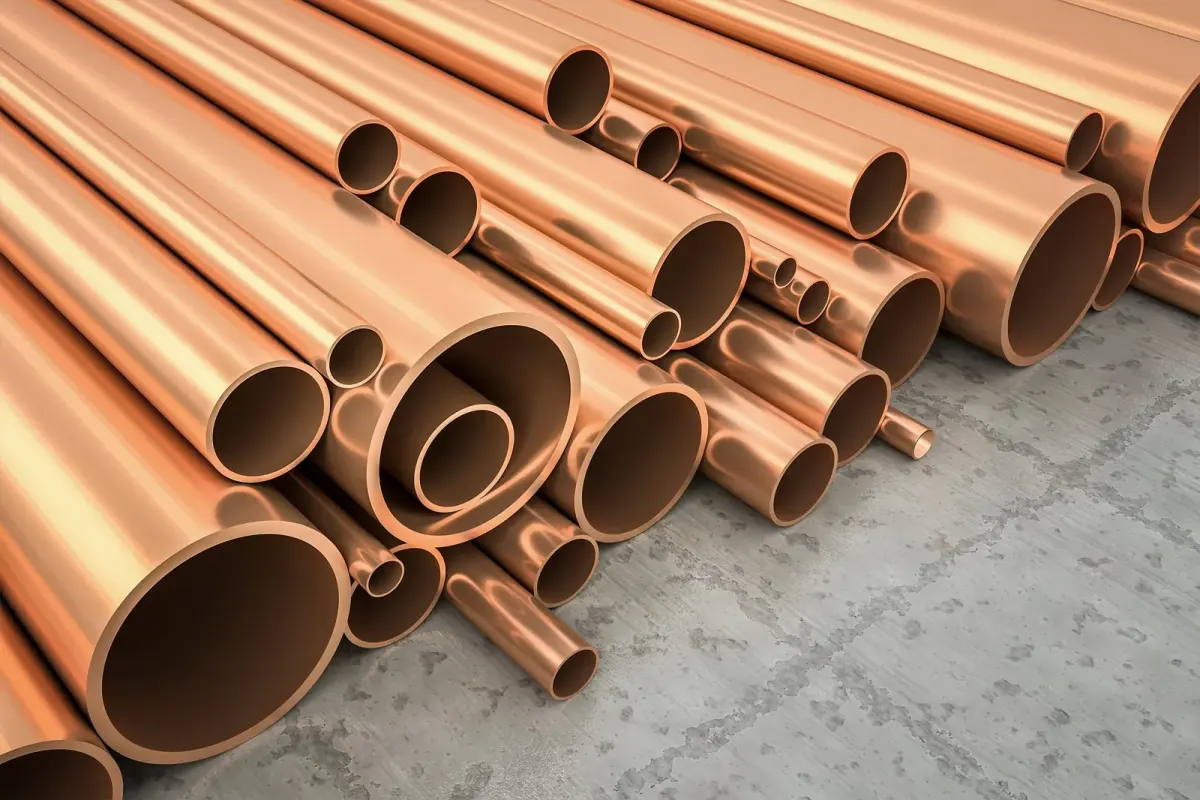
Copper: The Old Faithful of Plumbing
Copper piping has been around for ages. And there’s a reason for that.
It’s durable, resistant to bacteria, and handles heat well. You’ll find copper in many older homes that are still going strong today. It’s also fire-resistant, which adds a bit of peace of mind.
Pros:
- Long-lasting (often 50+ years)
- Doesn’t leach chemicals into your water
- Resists corrosion and high temperatures
Cons:
- Pricey
- Can be vulnerable to acidic water (pitting)
- Requires soldering (not ideal for DIY work)
I still remember a job from a few winters back. We uncovered a full copper system that had been in place since the ’70s-still clean, solid, and leak-free. The homeowner had no clue they were sitting on a plumbing goldmine.
If your budget allows for it, copper is still one of the most reliable options.
PEX: The Flexible Favorite
PEX piping is one of the newer kids on the block, but it’s made a big name for itself. And fast.
Short for cross-linked polyethylene, PEX is incredibly flexible-great for retrofitting in older homes where rigid pipe would be a nightmare to install. It handles hot and cold water with ease and doesn’t need glue or soldering.
Pros:
- Flexible and easy to install
- Cost-effective
- Resistant to scale and chlorine
- Good freeze resistance
Cons:
- Not UV-resistant (can’t be used outdoors)
- Concerns over chemical leaching with some brands
- Lower resale value than copper in some markets
PEX is a go-to material for many plumbers today, including us at Titan Plumbing. We’ve used it in everything from brand-new builds to 100-year-old farmhouses that needed careful rerouting. It gets the job done, and it gets it done fast.
PVC and CPVC: Good in the Right Places
PVC (polyvinyl chloride) is the white plastic piping you often see under sinks or in drain lines. CPVC is similar but can handle higher temperatures, making it suitable for hot water supply lines.
These pipes are light, easy to cut, and cheap to install. That said, they’re not for every situation.
Pros:
- Low cost
- Easy to work with
- Won’t corrode or rust
Cons:
- Can crack in freezing temperatures
- Brittle over time with UV exposure
- Not suitable for all plumbing codes
PVC and CPVC work great for drain, waste, and vent (DWV) systems. But for main supply lines, especially in colder climates, we usually steer folks toward something more durable.
Galvanized Steel: Strong, But Outdated
If your home was built before the 1960s, there’s a good chance it has galvanized steel pipes. Back in the day, it was the gold standard-tough and long-lasting.
But those days are gone.
Galvanized pipes corrode over time, and that corrosion leads to clogs, discolored water, and eventually leaks.
Pros:
- Very durable when new
- Fire-resistant
Cons:
- Heavy and hard to work with
- Prone to internal corrosion and reduced water pressure
- Often needs full replacement after 40-50 years
When we come across these during inspections, we usually recommend full replacement. Sure, they might be holding up okay now, but it’s a ticking time bomb. And that’s not scare talk-that’s just experience talking.
Cast Iron: Best for Drains, Not for Supply
You’ll still find cast iron in many older homes, especially for waste lines. It’s incredibly quiet when water runs through it (unlike the gurgling you might get from PVC). But it’s also extremely heavy and prone to rust over time.
Pros:
- Quiet operation
- Durable for decades in drain use
Cons:
- Can rust and clog
- Heavy and expensive to replace
- Not used for water supply anymore
We still install cast iron in certain commercial jobs or upscale residential homes where noise control is key, but for most homeowners, PVC is a better option for waste lines today.
Factors to Consider When Choosing Pipe Material
You don’t need to be a plumber to think like one. Before making your decision, here are a few things you’ll want to consider:
- Budget - What can you afford now, and how long do you expect it to last?
- Water Quality - Acidic or mineral-heavy water can eat away at certain pipes.
- Climate - Live where it freezes? You need pipes that can flex or insulate well.
- Code Compliance - Some municipalities restrict certain materials.
- Future Repairs or Upgrades - Flexibility and ease of replacement might matter later.
And don’t forget aesthetics. If you’re running exposed piping (say in a basement or utility room), copper sure looks a lot nicer than plastic.
Trust the Professionals Who Work with Pipes Every Day
Look, I get it. You’ve got Google, YouTube, and a cousin who “used to be in construction.” But plumbing is one of those trades where a mistake doesn’t just sit there-it floods the basement.
We’ve seen DIY installs where the wrong pipe was used, and it ended in thousands of dollars of damage. Or someone picked a cheaper material that wasn’t compatible with their water heater. Heck, we’ve even seen people mix materials without the proper connectors, leading to corrosion and leaks.
So when in doubt? Bring in the pros.
You don’t have to make this decision alone. We’ve been helping folks across the region choose the right plumbing materials for decades, and we’re happy to walk you through your options.
Wrapping It Up
Choosing the right type of pipe isn’t glamorous. It’s not something you show off at your next barbecue. But it’s one of the smartest investments you can make in your home.
Go with the right material, and you’ll enjoy years-sometimes decades-of trouble-free plumbing. Cut corners or pick the wrong product, and you might be calling us sooner than you’d like.
Not sure what’s running through your walls? Planning an upgrade or addition? Let’s talk pipes, performance, and peace of mind. Give our crew a call today at 813-933-8010 and we’ll help you get it right the first time.
- Published at June 20, 2025
- Category: Plumbing
Need help with this?
Talk to a real Tampa dispatcher.
Same-day service, flat-rate pricing, A+ BBB rated since 1994.