

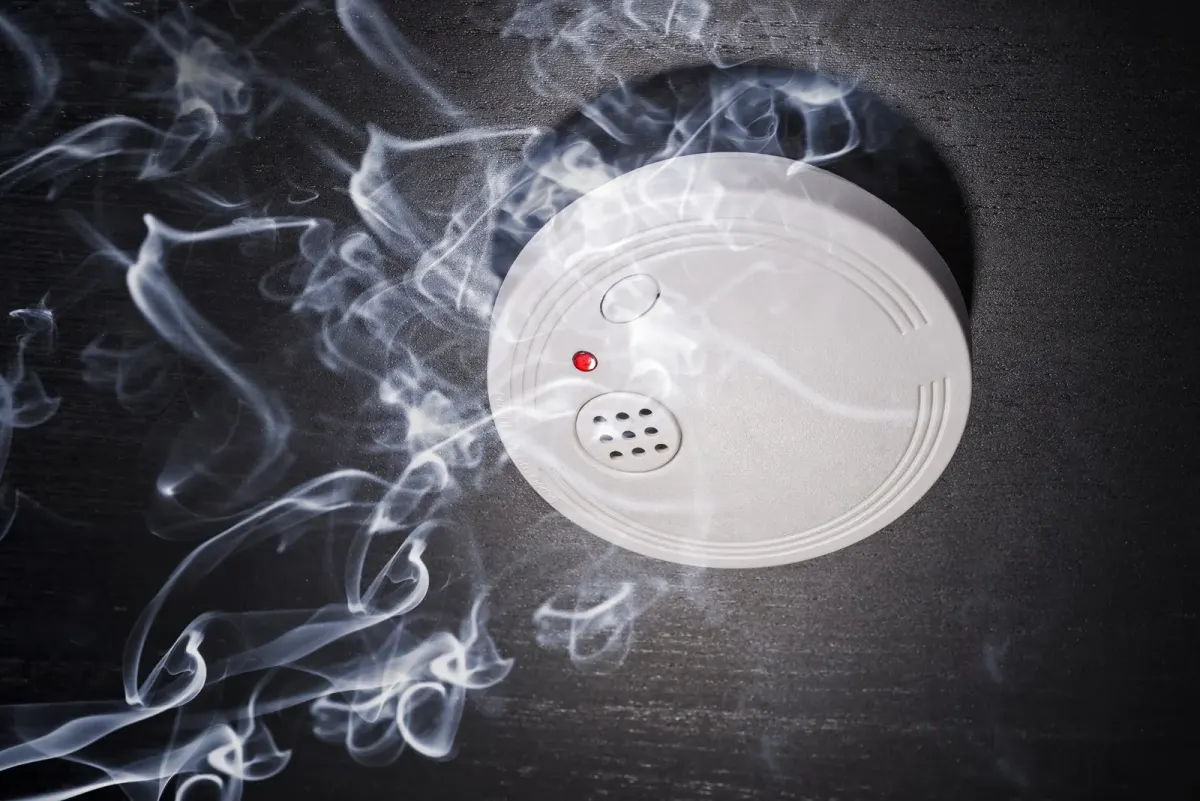
When most folks think about smoke detectors, they picture a shrill alarm jolting them awake in the middle of the night-or worse, going off while frying bacon. But smoke detectors do more than just make noise. These little devices can save lives, prevent catastrophic damage, and even save you money on your home insurance.
Homeowners often overlook the connection between fire safety and insurance rates, but the truth is, the two are closely tied. Let’s dig into why insurance companies care about smoke detectors, how these devices influence your premiums, and what you need to know to make sure your system actually counts when it matters.
Why Insurance Companies Pay Attention to Smoke Detectors
At the end of the day, insurance is about risk. The higher the risk of fire or property damage, the more you’re going to pay in premiums. Smoke detectors lower that risk. That’s why insurers like them.
It’s not just about preventing fires, though that’s a big part of it. Smoke detectors are designed to catch smoke early, giving families enough time to act before a fire gets out of control. This early warning can reduce damage, and when damages are lower, insurance companies pay out less.
Here’s how that shakes out:
- Fires cause massive property damage. A well-placed, working smoke detector can drastically reduce the extent of the destruction.
- Insurers reward proactive safety features. They’re in the business of managing risk. Smoke detectors tell them you’re not careless.
- State laws often require them anyway. But having the bare minimum won’t always get you discounts-upgraded systems might.
Types of Smoke Detectors and Their Impact on Rates
Not all smoke detectors are created equal. Some units just meet code, while others go above and beyond-and those are the ones that can move the needle on your insurance premiums.
Ionization vs. Photoelectric Detectors
- Ionization detectors are quicker at catching fast-flaming fires.
- Photoelectric ones react better to smoldering fires.
Having both types-or a dual-sensor model-is often recommended. Some insurers take that into account when considering discounts.
Hardwired with Battery Backup
Insurance companies love these. Why? Because they’re more reliable. If the power goes out, you’re still covered. That lowers risk.
Smart Detectors
This is where tech meets safety. Smart smoke detectors notify your phone, can integrate with security systems, and even alert emergency services automatically in some setups.
I’ve installed a few of these in my own home, and one time it alerted me to a smoldering plastic bag that had drifted onto a heater while I was out with the family. No fire, no damage-just a lesson learned and a system that worked exactly how it should.
If your home includes this level of protection, it’s worth calling your insurance provider and asking about a premium adjustment.
How Much Can You Actually Save?
This is the million-dollar question-well, maybe the couple-hundred-dollar one.
Savings vary, but here’s a ballpark:
- Standard detectors: Might get you a 2% to 5% discount.
- Monitored or smart systems: Could bump that up to 10% or more depending on your insurer.
Of course, this depends on the company, the state, and your home’s overall risk profile. Some providers bundle this discount with other safety features, like fire extinguishers or sprinkler systems.
But keep this in mind: even if your detectors don’t lead to a discount, the real value is in the protection. Insurance can replace your home. It can’t replace your life.
What Insurance Companies Look For
If you’re hoping to see a real cut in your premiums, it’s not enough just to screw a detector to the ceiling and call it a day. Insurers want proof that:
- You have enough detectors (minimum one per floor, plus bedrooms).
- They’re installed properly and in good working order.
- You test them regularly.
- You replace batteries and units according to guidelines (most detectors have a 10-year lifespan).
- For monitored systems: there’s a contract with a professional service.
It’s a good idea to take photos or keep receipts. If you ever need to make a claim or apply for a discount, having documentation makes a world of difference.
Installation Tips from the Field
After decades in this business, I can tell you: you’d be surprised how many homes I walk into with smoke detectors dangling by a wire, beeping low battery alerts, or stuck in corners where they won’t detect a thing until it’s too late.
Here’s what I recommend:
- One in every bedroom, plus one outside sleeping areas.
- At least one per level, including the basement.
- Mount them high on the wall or ceiling, away from vents or windows.
- Use combo units when possible (smoke + carbon monoxide).
- Test monthly, and replace batteries when the clocks change.
Simple? Yes. Skippable? No.
Don’t Forget Carbon Monoxide
While we’re talking about detectors, let me quickly say this: carbon monoxide detectors are just as critical.
Many states now require CO detectors in homes with fuel-burning appliances. Insurance companies often lump these into fire safety too. If you’ve got both smoke and CO detectors installed correctly, your chances of getting a break on your premium go up.
What Happens If You Don’t Have Working Detectors?
It’s not just about missing out on discounts-there can be penalties, too.
In the event of a fire, if your insurance adjuster finds that required smoke detectors weren’t installed or weren’t functional, your claim could get delayed or even denied. Not all insurers will go that far, but some have clauses that require working detectors for fire-related payouts.
That’s not a gamble you want to take.
Make Safety a Habit
Smoke detectors aren’t just a checkbox on a home inspection report. They’re part of a bigger picture of protecting what you’ve built. And in our line of work, we’ve seen too many preventable disasters to ignore that.
You install smoke detectors for the same reason you carry insurance: peace of mind. If a simple device can shave a bit off your premium while making your home safer, that’s a no-brainer in my book.
And honestly? It’s just one of those things that tells your insurance company-hey, this homeowner’s on the ball.
Final Thoughts
I’ll wrap this up by saying what I tell folks all the time: the best insurance is prevention. You don’t want to be relying on a payout to put your life back together if your house goes up in smoke.
Install the detectors. Test them. Upgrade if you can.
And when you’re done, give your insurer a ring and see what that little bit of effort might be worth.
Sometimes the smartest investment isn’t something flashy-it’s the stuff you hope never gets used. Call our team today at 813-933-8010 for more information.
- Published at June 27, 2025
- Category: Electrical Services
Need help with this?
Talk to a real Tampa dispatcher.
Same-day service, flat-rate pricing, A+ BBB rated since 1994.