
When the power goes out, everything changes. No lights. No appliances. No internet. And depending on the time of year, you could be dealing with extreme heat, freezing temperatures, or even spoiled food in your fridge.
That’s where a generator comes in-and not just any generator, but one that’s sized correctly for your home and tailored to your needs. Whether you’re preparing for frequent outages or just want peace of mind for the unexpected, choosing the right generator makes all the difference.
In this post, we’ll help you understand the key factors to consider when selecting a generator, from sizing and fuel type to installation options and safety.
Why Sizing Matters
One of the most common mistakes homeowners make is choosing a generator that’s too small-or too large-for their actual needs.
A generator that’s too small won’t be able to power everything you need during an outage. You’ll either trip the generator’s breaker or have to constantly pick and choose which appliances to run. On the flip side, a generator that’s too large is not only more expensive upfront, but also less efficient and more costly to run.
The goal is to strike a balance: enough power to keep your essential systems running smoothly, without wasting energy or overspending.
How to Calculate the Right Size
To figure out what size generator you need, start by identifying which appliances and systems are critical to your household. For most families, this includes:
- Refrigerator and freezer
- Furnace or AC unit
- Well pump or sump pump
- Lights and outlets in key rooms
- Wi-Fi and home office equipment
- Medical devices, if applicable
Each appliance draws a certain number of watts. You’ll want to add up the starting watts (the surge needed when it first turns on) and the running watts (what it needs to stay on). If this feels overwhelming, don’t worry-we’re happy to help walk you through it.
Once you’ve totaled your wattage needs, you can choose a generator that can comfortably support that load, with a little room to spare for safety and future expansion.
Types of Generators: Portable vs. Standby
There are two main types of generators to consider:
1. Portable Generators
These are typically gasoline-powered units that you roll out and plug in when the power goes out. They’re more affordable and great for short-term or occasional use. But they require manual setup, refueling, and typically can’t power your entire home.
2. Standby Generators
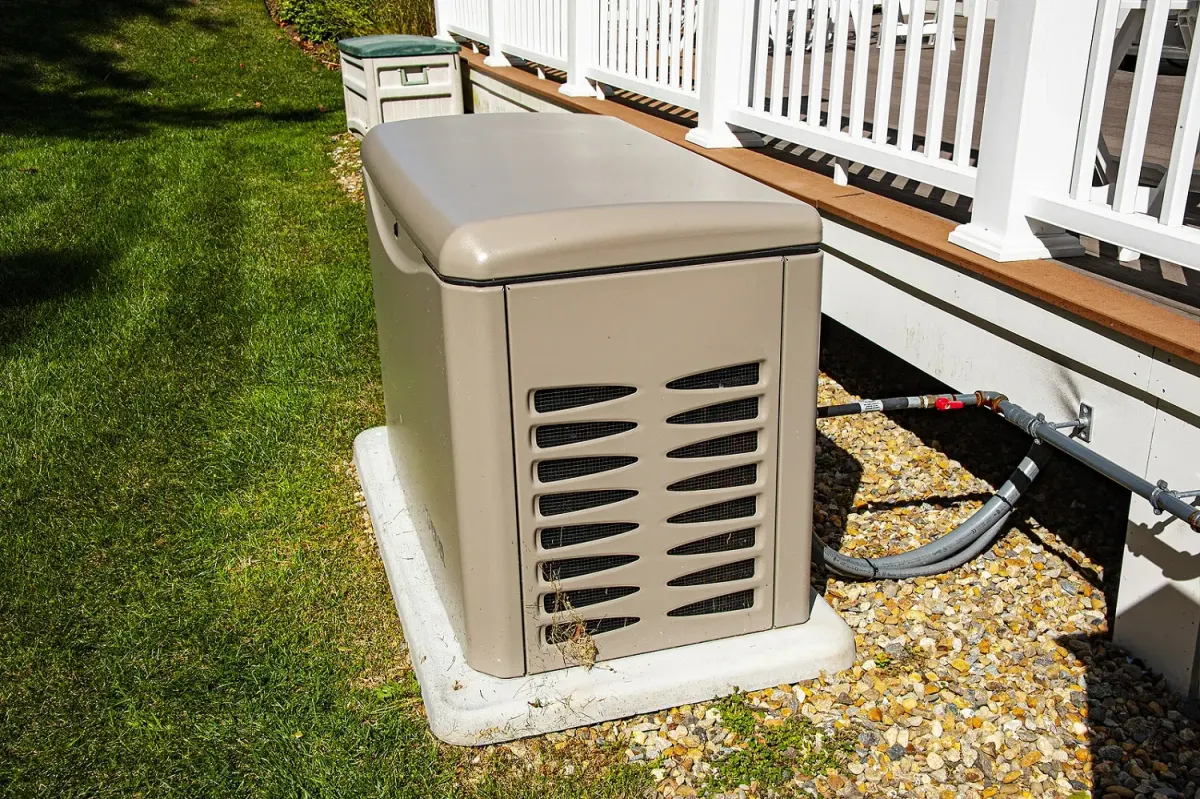
Also known as whole-home or backup generators, these are permanently installed and connected directly to your home’s electrical system. They automatically kick on when the power goes out and are usually powered by natural gas or propane. While more of an investment, they offer seamless, long-term peace of mind and can power your entire house or selected circuits.
If you want a true set-it-and-forget-it solution that doesn’t leave you scrambling in the dark, a standby generator is often the way to go.
Fuel Source Considerations
Generators run on a variety of fuels-each with its pros and cons.
- Gasoline is widely available but has a short shelf life and may not be accessible during widespread outages.
- Propane burns cleaner and stores longer, but you’ll need a tank on hand.
- Natural Gas is convenient if your home is already hooked up, but it depends on local infrastructure.
- Diesel generators are powerful and efficient but are more commonly used in commercial settings or large rural homes.
Your fuel choice may come down to what’s most accessible or affordable in your area-and whether you’re planning for short-term or extended outages.
Safety First
No matter what generator you choose, safety is key. Improper use can lead to serious risks, including carbon monoxide poisoning or electrical fires.
Here are a few safety basics to keep in mind:
- Never run a portable generator indoors or in enclosed spaces.
- Always use heavy-duty extension cords rated for outdoor use.
- Install carbon monoxide detectors near sleeping areas.
- Have a licensed professional install transfer switches for safe connection to your home’s system.
When in doubt, ask a professional. At Titan Plumbing, we offer full-service generator installations, including proper wiring, ventilation, and safety checks to make sure your home is protected.
Let Titan Help You Power Through Any Outage
Whether you’re just getting started or already know you want a whole-home generator, we’re here to help you make the right choice. Our licensed electricians will walk you through your power needs, recommend the right size and type, and handle the entire installation from start to finish.
A generator isn’t just a convenience-it’s a layer of protection that keeps your household running when the grid goes down. And when you’ve got kids, elderly parents, or work-from-home obligations, that protection matters.
Call Titan Plumbing today at 813-933-8010 to schedule a generator consultation or to learn more about our electrical services.
Let’s get you powered up-no matter what the weather throws your way.
- Published at April 30, 2025
- Category: Generator
Need help with this?
Talk to a real Tampa dispatcher.
Same-day service, flat-rate pricing, A+ BBB rated since 1994.